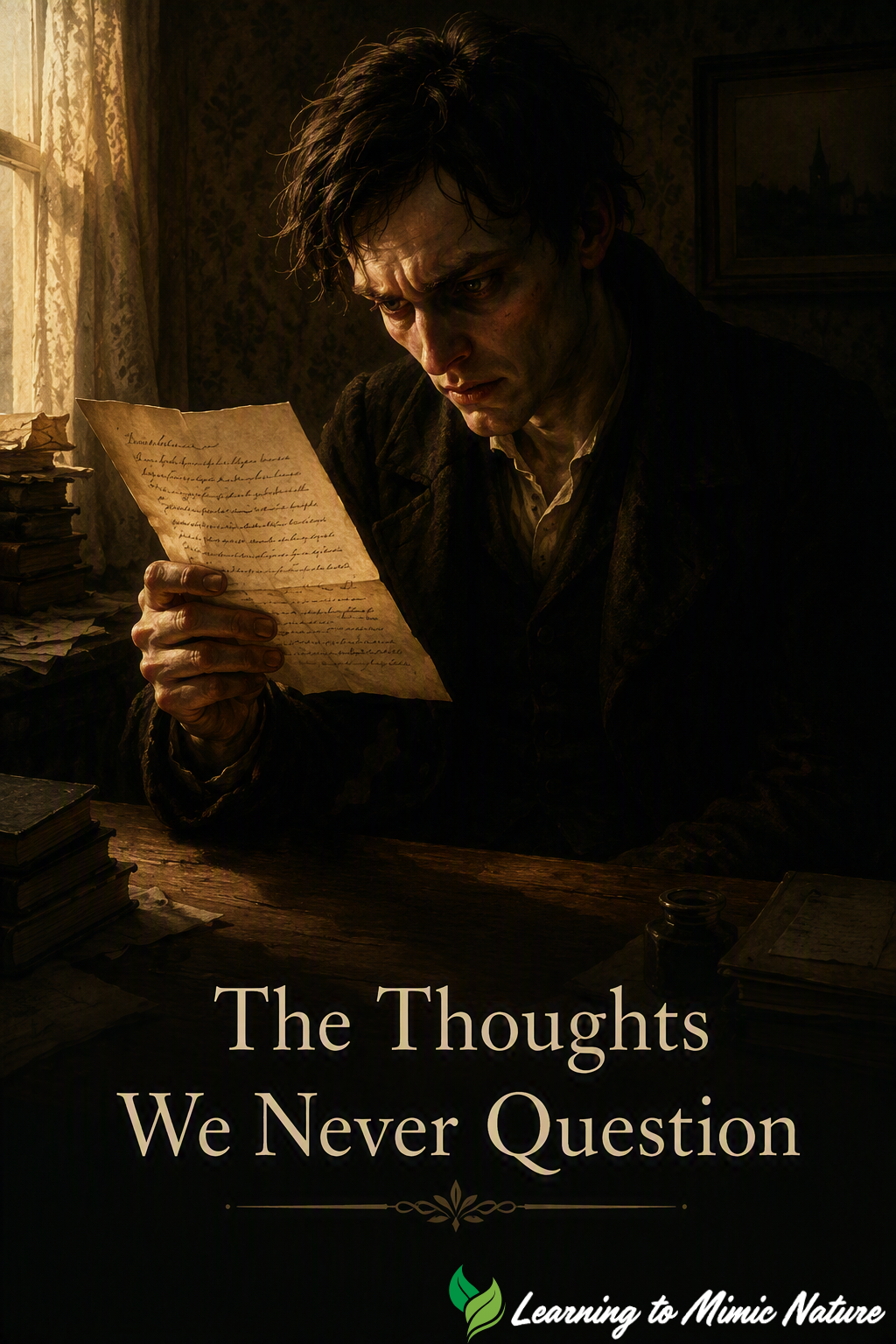
Today I enjoyed celebrating Labor Day with my parents, husband, and kids. When I got home, I couldn’t wait to read another chapter in Crime and Punishment, so I sat on my porch and began reading. I began noticing pretty quickly that the chapter was a little mundane. Raskolnikov wants to be away from people, and he gets irritable when the servant girl comes and talks to him. After that, most of the chapter consists of reading a letter from his mother regarding family affairs that the servant girl handed him. One line stood out to me as I was reading, “In order to understand any man one must be deliberate and careful to avoid forming prejudices and mistaken ideas, which are very difficult to correct and get over afterwards.”
I thought about why she had said this, but then remembered a few sentences before she stated, “beware of judging him too hastily and severely, as your way is, if there is anything you do not like in him at first sight.” Raskolnikov’s mother was warning him not to engage in behavior she knew well: judging people too quickly. I’m also very intrigued by Raskolnikov’s reaction when he finishes reading the letter. The chapter ends by describing how he was crying while reading, but afterward his face became “pale and distorted, and a bitter, wrathful and malignant smile was on his lips.”
The dangers that destroy us often begin as small errors in thinking that we never stop to question.
Raskolnikov’s mother is warning him about a tendency many of us share: forming conclusions before we have enough evidence. In counseling, we often see how these unexamined assumptions grow into cognitive distortions and unnecessary suffering. What starts as a thought slowly becomes a lens through which we view the world. Murder didn’t begin with an axe. It began with ideas. It began with assumptions. It began with conclusions.
Interestingly, Thoreau observed something similar in Walden. He believed people should become students and observers, carefully examining their thoughts rather than blindly accepting them. In many ways, Thoreau was trying to prevent the very thing Dostoevsky was illustrating.
Human beings rarely destroy themselves all at once. More often, they stop questioning the thoughts that slowly become their reality. Likewise, people rarely transform themselves all at once. Growth begins when we become willing to examine our assumptions, challenge our conclusions, and seek what is actually true.
As I closed the book this evening, one question lingered in my mind: What happens when a person stops examining their thoughts?
What do you think?